The crux of the DOJ’s memo is an attempt to undermine the needs of individuals with disabilities by reinterpreting the responsibilities of federal and local governments when administering accessible services in an ‘integrated’ setting.
Nearly a quarter of all U.S. undergraduates are parenting, and more than half of them are single parents. Yet few schools have prioritized the needs of student-parents.
When President Trump suggests that I, among 3 million other SNAP recipients, am fraudulently accessing benefits without need, I am compelled to push back. We are the real people who would be harmed by the administration’s “broad-based categorical eligibility” proposal ... I share my story…
As Congress considers reauthorizing the Higher Education Act (HEA), it must incentivize innovative approaches that create seamless, “equity-minded” pathways to success for today’s postsecondary students.
The Trump Administration recently proposed stripping SNAP benefits from 3.1 million individuals. This would further exacerbate the country’s racial wealth gap and seriously harm people of color—continuing a ruthless tradition of preventing people of color from achieving economic mobility.
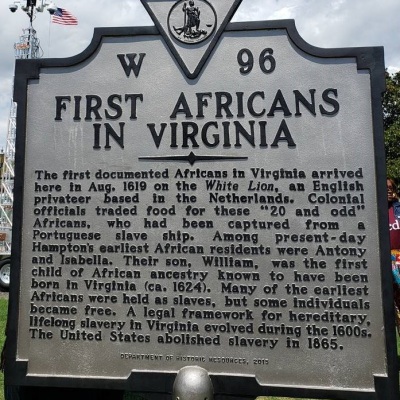
Last week, CLASP joined Cities United in Hampton, Virginia, during the remembrance of the 400-year anniversary of the first Africans being forcibly brought to this country and enslaved.
On August 1, 2019, the U.S. Senate passed a two-year budget bill, already approved by the House, for fiscal years 2020 and 2021. While this year’s bill did not include a specific funding commitment for child care, it paves the way to maintain and build on…