A young toddler having fun and laughing while being carried by her father, the family all excited on their way to catch a flight at the airport together.
The current benefit structures are reflective of decades of controlling policies implemented in response to sexist and racist assumptions that Black mothers applied for welfare at higher rates to avoid working and instead rely on government benefits for their livelihood.
The “Simplifying Financial Aid for Students Act” would streamline the financial aid process by making it easier for more low-income students to apply—and qualify—for federal student aid.
Senator Rubio's paid leave proposal would cut away at Social Security benefits, undermining the long-term economic security for low-wage workers and their families.
In the early '90s, the federal government allowed states to reshape welfare policies, including imposing family caps on cash assistance. While nearly half of all states initially adopted the caps, there has been a trend toward repealing them.
Low-wage workers and their families need federal workplace standards like the Schedules that Work Act, which would provide fair scheduling protections, and the Healthy Families Act, which would establish a paid sick days standard. These policies strengthen economic security. H.R. 4219 is not that federal standard.
Many fathers struggle to support their families, and programs that help alleviate poverty, promote responsible parenting, and undergird healthy families are often unavailable to “childless” adults.
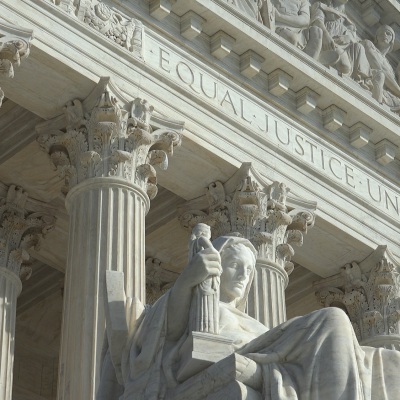
The Supreme Court issued 3 decisions with devastating impacts on women, immigrants, workers & communities of color. These decisions demonstrate what’s at stake as Trump fills Supreme Court vacancy.
Commentary by OIivia Golden on the difficulty in reconciling the country we aspire to be with the country we seem to have become, given our treatment of immigrants and refugees.