A young toddler having fun and laughing while being carried by her father, the family all excited on their way to catch a flight at the airport together.
The current benefit structures are reflective of decades of controlling policies implemented in response to sexist and racist assumptions that Black mothers applied for welfare at higher rates to avoid working and instead rely on government benefits for their livelihood.
While rates of adult mental illness were on the rise even before the pandemic, the grief, isolation, and anxiety brought about by COVID-19 have contributed to increased rates of more severe mental health symptoms, particularly among youth, LGBTQ+ individuals, and Black and Native American populations.
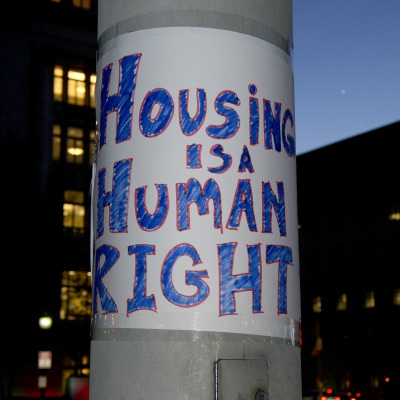
Affordable housing is a multidimensional issue affecting individuals across socioeconomic backgrounds. Yet, Black, Indigenous, and people of color (BIPOC) are disproportionately impacted at higher rates.
Alyssa Fortner highlights the value of increasing income eligibility limits for child care assistance and how states have done so using COVID-19 relief funds.
As we look to create a system that successfully supports people to return to their communities, we should draw inspiration from the healing-centered ideals advanced nearly a century ago. Community supervision should be an opportunity to support those targeted by our racist criminal legal system…
To help tenants stay in their homes, local and federal policymakers must advance effective solutions like right-to-counsel programs, which ERAP funds can support. Such programs help tenants secure representation to fight evictions, a step toward equity that many local governments have shown can reduce housing…
Adult Education and Family Literacy (AEFL) week, which is September 19-25, recognizes the importance of investing in adult education services for workers, families, and our economy.
Attaching work requirements to the expanded CTC benefits would deny the credit to many of the people who need it the most. This would leave children, families, and our communities worse off.
This blog post by Cameron Johnson advocates for budget reconciliation legislation that contains federal investments in jobs in sustainability and combating climate change. Such investments must center the economic empowerment of communities with barriers to employment.