The Community Partnership Group (CPG)
About Us
Building Power Through Lived Experience
The Community Partnership Group (CPG) at the Center for Law and Social Policy (CLASP) is a national initiative that reimagines anti-poverty advocacy by centering the voices of those most impacted by public benefit programs. We believe the people who are closest to the problems must be closest to the solutions—and that means building a clear bridge between people with lived experience and policymakers.
Founded by advocates with firsthand experience navigating systems like SNAP, Medicaid, and TANF, the CPG exists to transform how public policy is made. Our goal is to equip public benefits recipients with the information and tools needed to plan advocacy efforts, as well as the access, relationships, and confidence required to influence policymakers. What they gain through the CPG fuels national, state, and local advocacy efforts to end poverty. Members leave with sharpened skills, deeper policy knowledge, and stronger networks they can use to build power locally and advocate for lasting change where it matters most.
Our Model
Each year, CLASP selects a small, powerful cohort of public benefits recipients to join a 6-month skill-building experience where they design an advocacy project that advances a shared goal. Through this year’s Defending Public Benefits Cohort, members:
- Participate in a month-long orientation exploring current legislative threats and the foundations of policy advocacy
- Set personal goals and design a self-directed advocacy project with support from experienced mentors
- Build targeted advocacy skills, such as how to engage a legislator or shape public narratives
- Access direct pathways to policymaking power—including meetings with Hill staffers, national advocacy partners, and peer leaders across the country
This model is more than professional development—it’s a launchpad for transformative policy change and movement-building. Our members take the knowledge and relationships they gain and bring them back to their communities, using advocacy as a tool for systemic change and local empowerment.
A Growing Legacy
The CPG proudly completed its first cohort in April 2025. Our inaugural group played a critical role in shaping the culture, values, and structure of the program. We are so grateful for everything we learned and co-created together. Their leadership has laid the foundation for what’s now possible for future cohorts.
Our 2025 Defending Public Benefits Cohort
In June 2025, we welcomed our second CPG cohort—three brilliant and passionate activists who are continuing the legacy and charting new ground:
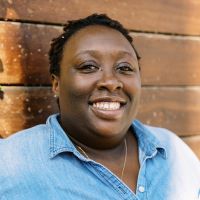 Christina Hasaan (Philadelphia, PA). “As a programs and partnerships professional with lived experience and experience across government, nonprofit, and higher education sectors, I’ve spent my career designing initiatives that center equity, community, and access. From coordinating interventions at the Philadelphia District Attorney’s Office to leading webinars and national partnerships at Swipe Out Hunger, my work has always intersected with the systems people rely on to meet basic needs. These experiences have shown me how vital public benefits are—not only as safety nets but as tools for autonomy, self-determination, and long-term stability. I’m committed to defending these programs because I believe access to them is not just a policy issue, but a justice issue. I’m excited to join the CPG community because I see it as a place where strategy, storytelling, and lived experience come together to drive change. I’m eager to collaborate with others who are just as invested in disrupting systems that gatekeep access to essential resources. Through this community, I hope to deepen my understanding of national policy work while contributing insights from my lived experiences, programmatic, and data-driven background to help shape a future where public benefits are protected, expanded, and fully honored.”
 Ashley Blair (Memphis, TN). “As a mother of two being able to provide for my family is key. Having firsthand experience with public benefits has afforded me the knowledge of just how important these benefits are to our community and the world. My passion for defending public benefits stems from wanting everyone to succeed! The future is uncertain, and we never know the situations we may find ourselves in, but with the assistance of public benefits there is yet light at the end of the tunnel. Becoming a CPG member means so much to me. I’m most excited about serving God’s people with other like-minded individuals. It’s not enough to talk about what needs to change, we must get our feet wet and join in the fight to keep families from drowning. I truly believe God placed me in the position to utilize public benefits to increase my knowledge of the matter and I’m grateful for the opportunity to learn and serve as a voice for those who are not able. I look forward to becoming a CPG member and cannot wait to get to work!”
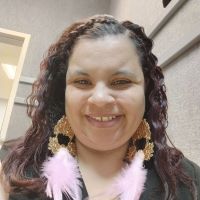 Tania Whitfield (Kentucky). “I’m honored to be part of CLASP because I believe that words matter, and I’d like to see a shift away from the term “low-income” as it doesn’t accurately reflect the strength and resilience of our community. I think it’s essential to show a different side of people who are often misunderstood, and I’m excited to learn more about policy and how to advocate for change that benefits everyone. My motivation stems from a desire to leave a lasting legacy for my family, community, and future generations. Organizations like CLASP can help change the narrative and empower us to succeed beyond our current circumstances. I’m driven to make a difference, not just for myself, but for the people and community I care about, and I believe that together, we can achieve great things. I am very excited to start this incredible opportunity and journey to being myself my family community and for the greatness to spread to all 120 counties in Kentucky and to other states as well. I want to thank you from the depths of my heart to see my qualities sincerity and zealousness to accept me into this cohort. This will benefit me in countless ways. Thank you Thank you Thank you.”
Each member brings powerful lived experience, deep commitment to their communities, and the courage to help shape a more just and human-centered public benefits system.
Ashley’s Blog Series
Last summer’s passage of H.R.1 threatens to drastically cut SNAP benefits, placing millions of families at risk of food insecurity. These policies directly impact families like Ashley Blair’s, for whom programs like WIC are not just helpful—they are lifelines.
In her blog series, Ashley examines the importance of food justice and access to essential programs like WIC, reminding us that everyone deserves the resources they need to thrive. Read her blogs:
Tania’s Podcast
Episode 1:
The debut episode of Tania Whitfield’s podcast, Tania Daddy’s Girl Podcast, explores hunger, poverty, explores the power of community through a lens of lived experience. In this first episode, Whitfield opens her heart and her story, sharing her journey into advocacy and how her father shaped her purpose, compassion, and voice. This powerful debut sets the tone for a series rooted in love, legacy, and belief that true change starts with care and community.
Episode 2:
In this powerful episode of Tania Daddy’s Girl Podcast, Tania sits down with longtime friend and advocate Tyler Offerman for a deeply grounded conversation about hunger, community, and the realities of policy in Kentucky. When something just makes sense, Tania always says it goes together like peanut butter and jelly—and her relationship with Tyler is the perfect example, a connection you’ll feel the moment you press play. Their natural connection shines through as they unpack the human impact of recent changes to SNAP, the barriers families face, and the urgent need for compassionate leadership. With honesty, clarity, and heart, Tania and Tyler remind us that advocacy is rooted in people—not politics—and that change begins with those closest to the struggle.
Episode 3:
In this short but powerful episode, Tania reflects on the stigma and stereotypes surrounding SNAP and shares the wisdom her father passed down to help challenge harmful narratives. The episode centers dignity, resilience, and the importance of seeing people—not labels.
Our Commitment
At CLASP, we see ourselves as a bridge—one that connects lived experience with institutional influence. We commit resources, coaching, political education, and our national network of policymakers and organizations to help CPG members strengthen the power they already hold.
Our cohorts don’t just learn—they lead. They challenge injustice, share truth, and create momentum in policy spaces where their voices have historically been excluded.
First Cohort of CPG Members
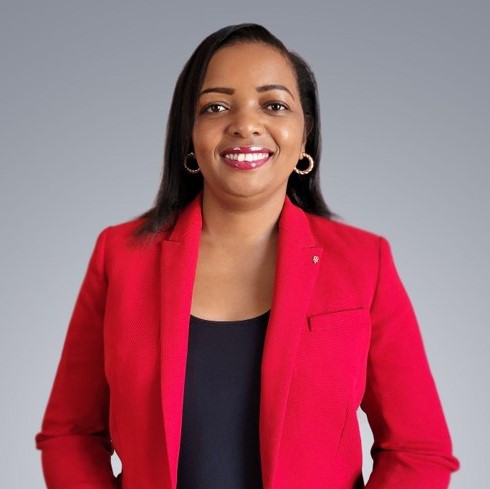 Alice Aluoch is the director, membership and development at Global Health Council. She has over 10 years’ experience working on different continents in technology, nonprofit sector, health advocacy, and social justice. Prior to joining GHC, she served as a senior associate for grassroots expansion at RESULTS, managing the onboarding and welcoming of new advocates to the organization, starting new RESULTS advocacy chapters, and developing partnerships with like-minded organizations working on global health. She also led RESULTS efforts to elevate voices of people with lived experience of poverty with a particular focus on the African Diaspora community. In that role she led and developed the RESULTS African Leadership Cohort, which is aimed at increasing the African Diaspora representation through new advocate recruitment and leadership development. The cohort provides critical feedback and direction on ways to improve RESULTS global campaigns and consists of members from different countries including Nigeria, Kenya, and Democratic Republic of the Congo. Alice has significant expertise in building relationships with elected officials and has lobbied directly with Congress to secure numerous co-sponsorships on critical domestic and foreign-assistance focused bills. She is also a founder of Mfariji Africa, a nonprofit organization in Kenya focused on creating awareness about menstrual and reproductive rights for girls.
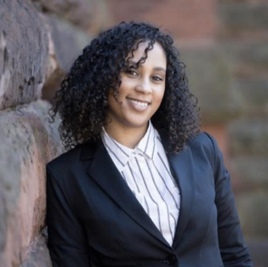
Barbie Izquierdo is an award-winning activist and national spokesperson with lived expertise trailblazing in the movement to fight the exploitation of people of color who have been affected by public policy. She currently is the community empowerment manager at Hunger Free America. Barbie is an expert on food insecurity and other social justice issues, an advocate, organizer, and consultant providing technical support on the engagement and inclusion of people with lived experiences. With a background of 14 years in this work, she has shared insight and storytelling regarding poverty, included in the call-to-action documentary “A Place at the Table.” She has used her lived experience and advocacy journey as a catalyst for policy change, and her mission is to help uplift dignity and bring equity into the frameworks used by policymakers, non-profit organizations, and government entities that decide the fate and “how-to” for communities with low incomes. Global Citizen, which is the world’s largest movement of action takers and impact makers dedicated to ending extreme poverty, selected Barbie as the recipient of the 2022 Global Citizen Prize: Citizen Award USA. Finally, Barbie takes pride in providing impactful public speaking driven by vulnerability, truth, and authenticity to empower and motivate thought leaders and organizations to action.

Tamika Moore is a nationally recognized Lived Experience Expert Consultant and speaker with over 10 years of lived and professional experience shaping policy and systems change related to poverty, homelessness, hunger, and public benefits. Drawing on her lived expertise and deep policy partnerships, she works with national organizations, advocates, and policymakers to co-create inclusive, equitable, and anti-racist solutions that improve access to safety-net programs—particularly SNAP. Tamika has partnered with organizations including the Center for Health Care Strategies, CLASP, the Center for Science in the Public Interest, Community Alliance Consulting, Tufts University’s Friedman School of Nutrition Science and Policy, and the American Public Human Services Association. She is a co-author of A Community-Driven Anti-Racist Vision for SNAP and has contributed to national policy conversations through webinars, conferences, toolkits, and publications addressing administrative barriers, stigma, and equity in public benefits. Known as a trusted and authentic voice, Tamika translates lived experience into actionable, equity-centered guidance that bridges the gap between policy and practice. Her work spans consulting, participatory research, training development, and national speaking engagements with a consistent focus on centering community wisdom, dignity, and the voices of those most impacted to strengthen outcomes and advance systems change.
Accomplishments & Work
Advocating for Bold Federal Policy Solutions to Eliminate Poverty. The CPG and CLASP co-created A Community-Driven Anti-Racist Vision for SNAP with actionable recommendations for Congress to consider during Farm Bill reauthorization. Our report has elevated the importance of SNAP recipients being able to purchase hot foods—an issue of critical importance to people experiencing homelessness—among congressional champions.
Teaching Organizations and Agencies about Community Engagement. With support from CLASP staff, the CPG has presented at several conferences, hosted webinars and trainings, and consulted with external organizations about meaningful community engagement. Many of the lessons they have taught are spotlighted in Empowerment in Action: The Journey of How the Community Partnership Group Redefines Anti-Poverty Policy Through Lived Experience.
Building Power with New Advocates. CLASP and the CPG recently concluded a community engagement effort called Community-Driven Policies and Practices. Together, we facilitated a series of power-building sessions in Baltimore, Las Vegas, and Tribal Nations in the Pacific Northwest. Our goal in these sessions was to create a safe, inspiring space for people experiencing poverty to dream up policies with the potential to deliver economic justice. The sessions culminated in an advocacy plan to implement a policy goal that each group believed would advance their vision for economic justice.